Seoul’s Hidden Hanok Haven
Seoul is a city of contrasts—towering skyscrapers, neon-lit streets, and ancient palaces packed with tourists. But just north of the old city walls, tucked into the foothills near Bugaksan Mountain, lies Seongbuk-dong: one of the capital’s best-kept secrets. This isn’t the crowded Bukchon Hanok Village you see on every Instagram feed. Seongbuk-dong feels more intimate, more lived-in, more real. It’s a wealthy residential neighborhood where literary giants once lived, artists still create in hidden galleries, and traditional hanoks (Korean wooden houses) blend seamlessly with quiet alleys, blooming gardens, and panoramic city views.
I discovered Seongbuk-dong while craving a break from Seoul’s hustle. One spring morning, I hopped on Line 4 to Hansung University Station and emerged into a world that felt like stepping back in time—yet perfectly preserved for the present. This ultra-detailed travelogue walks you through my full-day itinerary, with historical context, personal reflections, practical tips, seasonal nuances, and even edge-case considerations. Whether you’re a history buff, cafe lover, hiker, or someone seeking soulful solitude, Seongbuk-dong offers layers of discovery. Let’s dive in.
Getting There & First Impressions: Easy Access to Tranquility
Subway: Line 4 to Hansung University Station (한성대입구역), Exit 6 (or Exit 5 for Suyeonsanbang). It’s just 11–15 minutes from central Seoul (e.g., Seoul Station or Hyehwa).
Bus alternatives: Routes like 1111 or 2112 drop you near the main Seongbuk-ro street.
Taxi/Uber: Quick and cheap from nearby areas (~₩5,000–8,000).
Walking from Bukchon: Possible via the Seoul City Wall trail—connects the two hanok worlds beautifully.
As I exited the station, the contrast hit immediately. No tour groups. No selfie sticks everywhere. Just gentle slopes lined with elegant hanoks, pine trees, and the faint scent of spring blossoms. Seongbuk-dong sits north of the historic city wall, once home to Korea’s elite during the Joseon and colonial eras. Today, it’s a mix of preserved cultural properties (managed by the National Trust of Korea) and private residences—hence the respectful, low-key vibe. It even starred in Parasite (the upscale neighborhood scenes were filmed here before the set was dismantled).
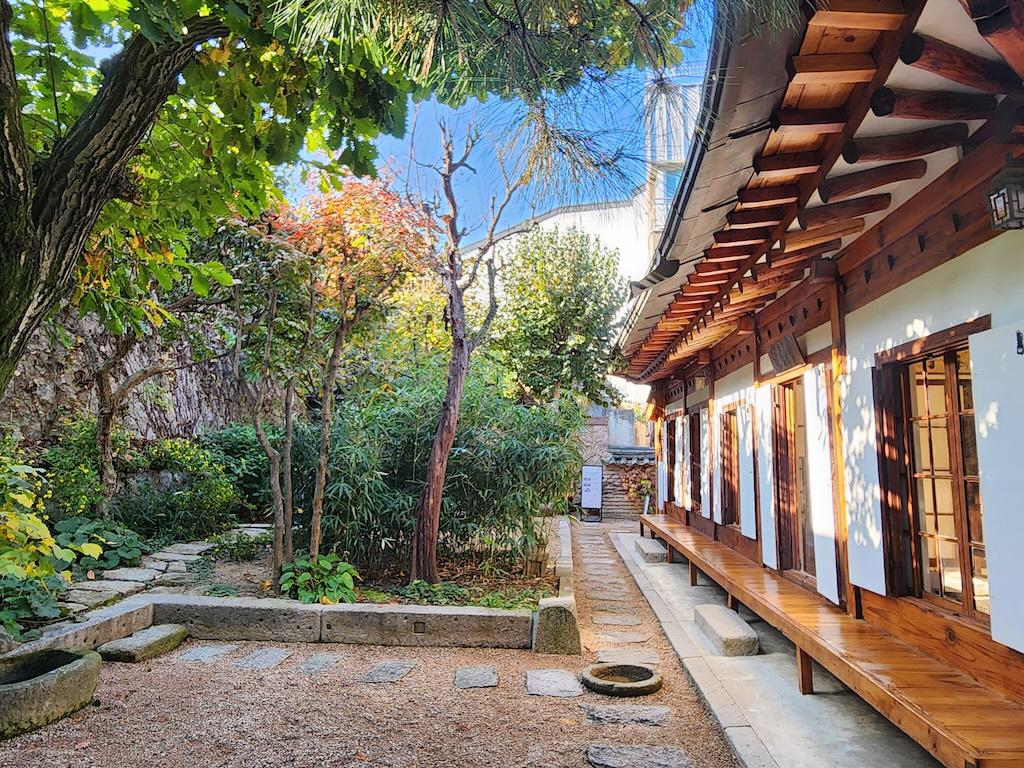

(Above: The serene courtyard garden of Choi Sunu House—craggy pines, flowering trees, and traditional stonework that set the tone for the entire neighborhood.)
The Perfect Walking Itinerary: A Literary & Cultural Pilgrimage (3–5 Hours)
I followed the official “Scent of Spring in Seongbuk-dong” course from Visit Seoul, but took my time—stopping for photos, tea, and quiet reflection. Total distance: ~4–5 km with hills and steps (wear comfortable shoes!). Best in spring (April–May) for cherry blossoms and mulberry trees, or autumn for fiery foliage. Summer offers shade; winter is crisp but some sites close.
1. Choi Sunu House (최순우 옛집) – Start with Artistic Heritage
Free entry (10:00–16:00, closed Sundays & Dec–Mar). This early-20th-century hanok was home to Choi Sunu (1916–1984), renowned art historian and former director of the National Museum of Korea. The garden is pure magic: flowering trees, twisted pines, bamboo groves, and stone pathways. Inside, displays of his personal items reveal a life dedicated to preserving Korean beauty.
Nuance: Unlike museum-like Bukchon houses, this feels intimate—like visiting a respected elder’s home. I sat on the wooden veranda for 20 minutes, listening to birds. Edge case: If closed (winter), admire from the alley.
Implication: Shows how Seoul balances private heritage with public access.
2. Seonjamdan Shrine (선잠단) – Joseon-Era Ritual Site
Just across the main road: a red wooden gate leads to a raised stone altar honoring Leizu (goddess of silkworms). Lined with ~50 ancient mulberry trees. Annual rites still happen. Quiet and spiritual—perfect for a moment of gratitude.
3. Gansong Museum of Art & Seongbuk Museum of Art
Gansong (Korea’s first private museum, founded 1938 to protect artifacts from foreign looters) was under renovation during my visit—treasures now at Dongdaemun Design Plaza. Nearby Seongbuk Museum of Art adds modern exhibits and a Global Village Center.
Pro tip: Check for rotating shows; the area’s artistic DNA runs deep.
4. Suyeonsanbang (수연산방) – The Literary Teahouse Highlight
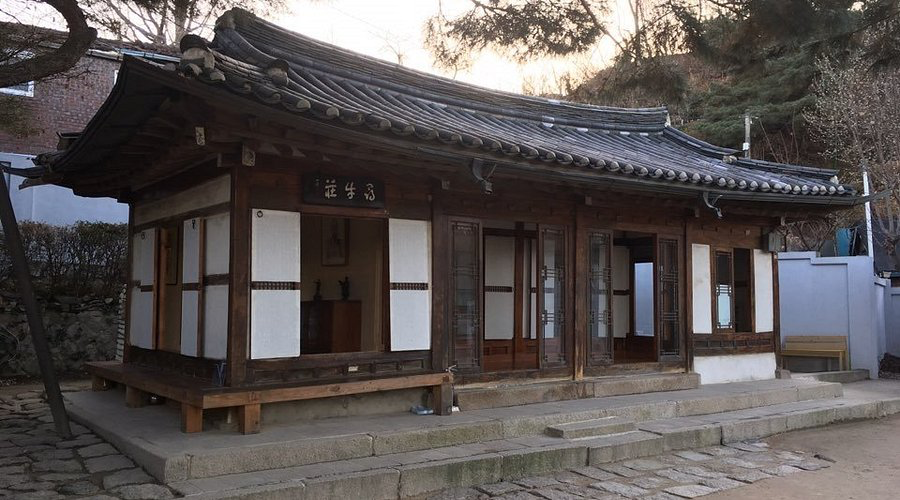
My absolute favorite stop. This turn-of-the-20th-century hanok was novelist Yi Tae-jun’s (1904–?) home and the setting for his famous works like Haebang Jeonhu. Now a traditional tea house (“small home in the forest where literary people meet”).
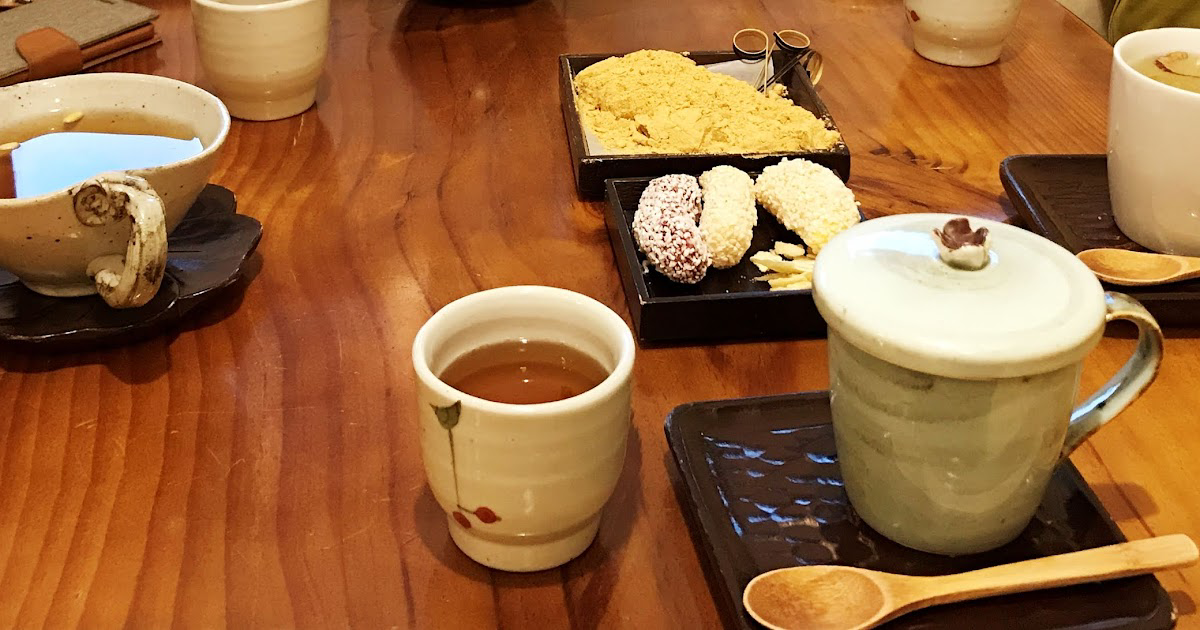
Menu highlights: Jujube tea, pine-needle tea, omija (five-flavor berry), schizandra bingsu (shaved ice with red beans & pumpkin—divine!). Prices ~₩8,000–15,000. Open 11:30–18:00 (later on weekends). Sit on floor cushions overlooking the courtyard.
Personal reflection: I lingered for an hour with a pot of ssanghwa-cha (medicinal herb tea). The wooden beams, paper windows, and garden views transported me to 1940s Seoul. Weekdays = serene; weekends = busier but still peaceful.
Modern twist: Featured in Japanese, French, and UK media—proof of its universal charm. No coffee here—pure tradition!
K7Ete“LARGE” 6MJZ9“LARGE” YfgNb“LARGE”
(Suyeonsanbang: Traditional teas served in ceramic cups, the glowing hanok exterior at dusk, and the cozy interior with floor seating and forest views.)
5. Simujang (심우장) – Home of Independence Poet Han Yong-un
A short uphill walk to this simple hanok, once home to Buddhist monk, poet, and March 1st Movement leader Manhae Han Yong-un (1879–1944). Named “looking for a cow” (Buddhist metaphor for self-discovery). Shaded by a giant pine; faces north symbolically. Free to view from outside or enter if open. Deep context: Han Yong-un modernized Korean Buddhism and fought Japanese rule. Standing here, the weight of history feels personal. TOoTh“LARGE”
6. Gilsangsa Temple (길상사) – Former Gisaeng House Turned Sanctuary
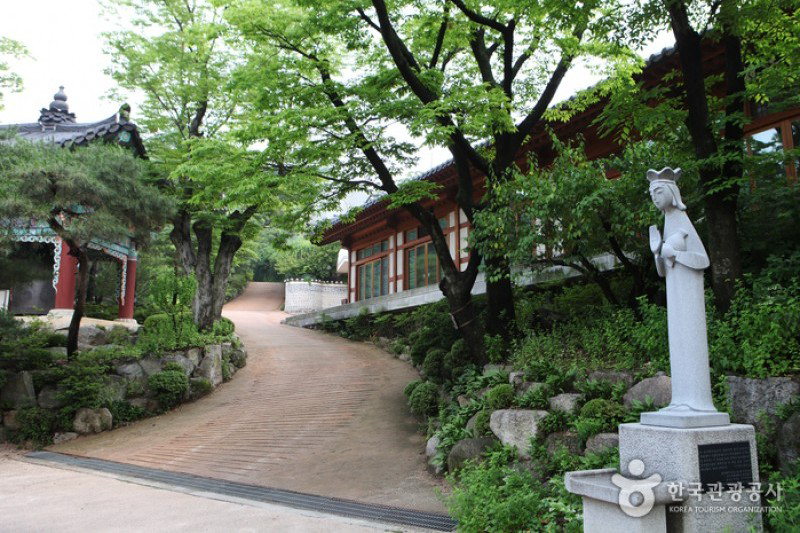
A longer walk across the valley (or bus shortcut). Originally a high-class entertainment house (yojeong) until 1987, when the owner donated it to monk Beopjeong. Now a serene Buddhist temple with wooded paths, meditation halls, and valley overlooks. Offers Templestay programs.
Atmosphere: Birds, incense, and deep calm. Red spider lilies in autumn are spectacular.
7. Samcheonggak – Cultural Finale with Views
Upscale restaurant/cafe in a former secret-meeting site (1972 North-South talks). Terrace views, traditional performances, free shuttle downtown. Perfect lunch or coffee stop.
Culinary & Cafe Delights Beyond Tea
• Geumwang Donkkaseu (near Suyeonsanbang): Legendary breaded pork cutlet.
• Ssangdari Gisa Sikdang: Driver-style generous bulgogi—affordable and hearty.
• Modern cafes: Alex the Coffee (award-winning, greenhouse vibes), TEACHAICHA (200+ exotic teas), or renovated hanok spots like Kade. Brunch culture is growing as tourism increases.
Nuance: Food here is unpretentious—real local flavors, not tourist traps.
Modern Layers & Artistic Vibes
Galleries (Can Foundation, Space O’NewWall), vintage shops (Old Cinema, Modern Manmul), and new brunch spots show the district office’s push to attract visitors without losing charm. It’s symbiotic with artists—quiet mornings, creative energy. Nearby: Korea Furniture Museum for traditional craftsmanship.
Practical Tips, Nuances & Edge Cases
• Best time: Weekday mornings for solitude; spring for flowers, autumn for foliage. Avoid peak summer heat on hills.
• What to bring: Comfortable shoes, water, light jacket (hilly & shaded), T-money card. Download Naver Map.
• Etiquette: Residential area—quiet voices, no loud groups, respect private property. Some homes are lived-in.
• Accessibility: Moderate hills/steps—not wheelchair-friendly everywhere; taxis between spots help.
• Crowds & changes: Less touristy than Bukchon, but Airbnb/hotels are rising. Visit soon before it evolves further.
• Budget: Free for most sites; ₩20,000–40,000 including tea/lunch.
• Seasonal/Weather edge cases: Winter closures at some hanoks—focus on wall trail & temples. Rain? Indoor teas and museums.
• Cultural implication: Seongbuk-dong proves Seoul can preserve heritage amid modernization—a model for other cities.
Final Reflections: Why Seongbuk-dong Stays With You
Leaving at sunset, with the city lights twinkling below the wall, I felt recharged. This isn’t just sightseeing—it’s a pilgrimage through Korea’s literary soul, artistic spirit, and resilient history. In a metropolis of 10 million, Seongbuk-dong reminds us that tranquility and depth still exist.
If you crave authentic Seoul beyond the palaces and palaces of Myeongdong, come here. Wander slowly. Sip tea thoughtfully. Listen to the pines. You’ll leave with stories, not just photos.
Would you visit Seongbuk-dong? Drop your questions below—I’d love to help plan your own gihaeng (travelogue)!
Safe travels, and may your Seoul days be filled with hidden gems. 🌿🏮
'여행' 카테고리의 다른 글
| 城北洞的文化、韩屋与旅游魅力对投资的影响:2026年超详细分析 (0) | 2026.03.16 |
|---|---|
| Pengaruh Daya Tarik Budaya, Hanok, dan Pariwisata Seongbuk-dong terhadap (0) | 2026.03.16 |
| Panduan Wisata Lengkap Pusat Kota Seoul: Myeongdong, Gwanghwamun, Naksan (0) | 2026.03.10 |
| BTS 2026 世界巡回演唱会「ARIRANG」高阳站 完整中文导览 (0) | 2026.03.10 |
| K-Pop Demon Hunters (케데헌) Holy Sites Guide: Naksan Park & Nearby Spots (0) | 2026.03.10 |


