(Updated for 2026)
This historic heart of Seoul blends grand Joseon Dynasty palaces, vibrant public squares, and a living traditional village. It’s one of the most walkable and photogenic areas in the city — perfect for a half-day or full-day itinerary. You can easily spend 4–8 hours here exploring royal history, watching ceremonial performances, strolling narrow hanok alleys, and enjoying Korean culture and food.
How to Get There (Super Easy by Subway)
• Best station for Gyeongbokgung Palace & Gwanghwamun Square: Gyeongbokgung Station (Line 3), Exit 5. There’s an underground passage straight to the palace ticket office — no need to go outside in bad weather.52lXX“LARGE”
• Alternative: Gwanghwamun Station (Line 5), Exits 2 or 8 (10-minute walk to the square/palace).
• For Bukchon Hanok Village: Anguk Station (Line 3), Exit 2 (closest) or Gyeongbokgung Station + 15–20 min walk.
• Tip: Get a T-money card (reloadable transport card) at any station or convenience store. Buses and taxis are also convenient, but subway is fastest. The whole area is very walkable once you arrive.
1. Gwanghwamun Square (광화문광장) – The Starting Point

This large open plaza sits right in front of Gwanghwamun Gate (the majestic main gate of Gyeongbokgung). It’s free and always open.
Highlights:
• Giant bronze Statue of King Sejong the Great (creator of the Korean alphabet Hangeul) and Admiral Yi Sun-sin (famous naval hero).
• Beautiful fountains, LED flower displays at night, and panoramic views of Bugaksan Mountain and the palace.
• Great for photos, people-watching, and occasional free events or performances.yGcTs“LARGE”uj6v9“LARGE”
Pro tip: Climb the small observation deck at the National Museum of Korean Contemporary History (right next to the square) for an elevated view of the entire area.
2. Gyeongbokgung Palace (경복궁) – Seoul’s Largest & Most Iconic Palace
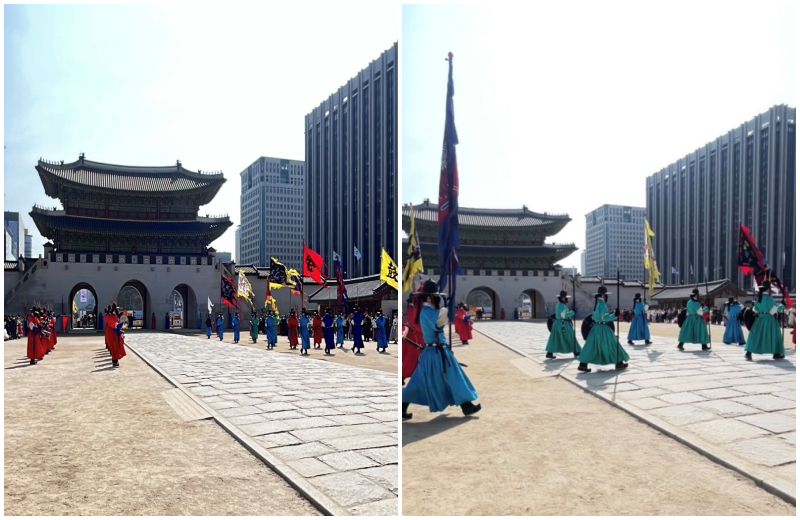
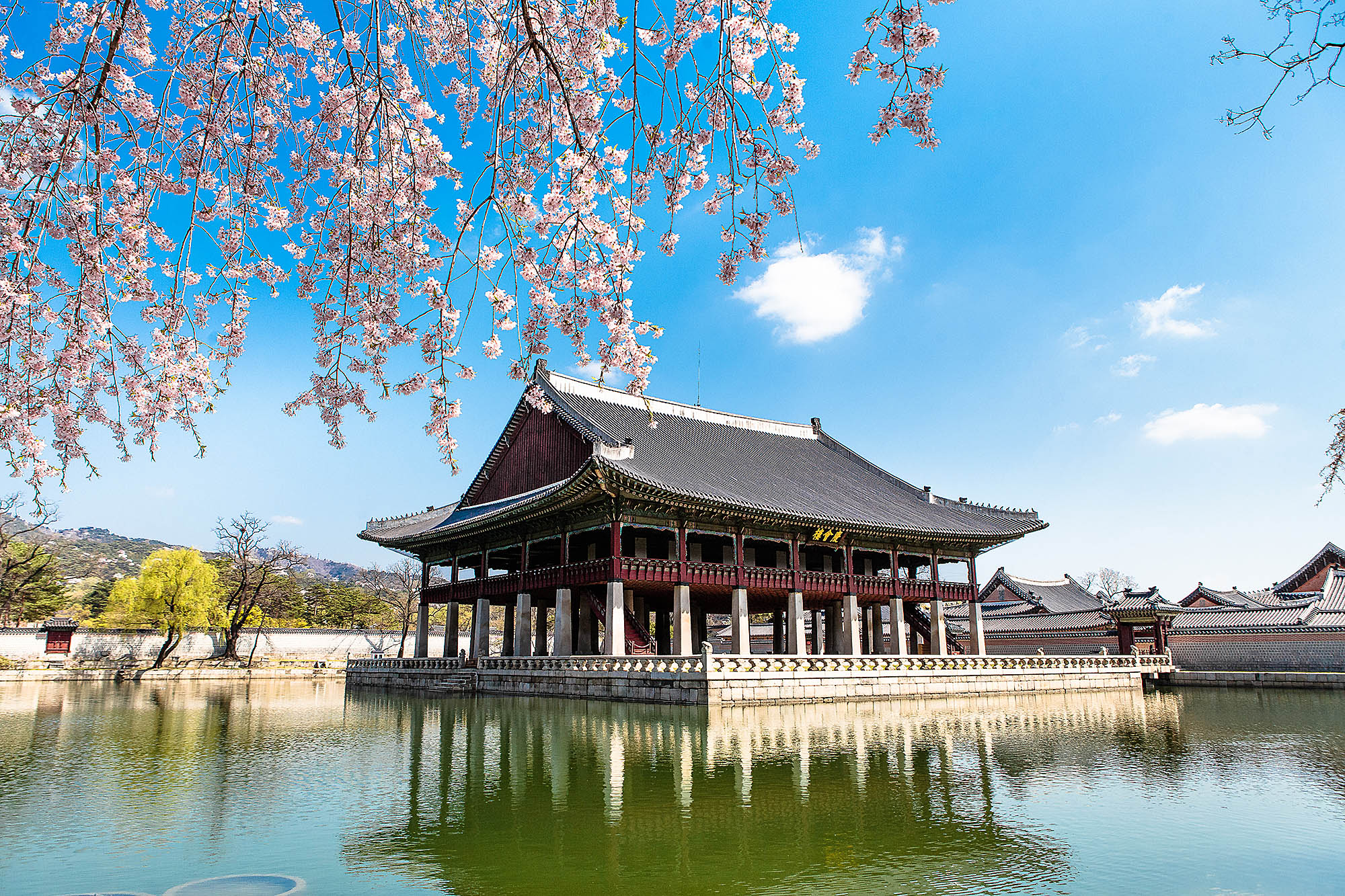
Built in 1395 by King Taejo, Gyeongbokgung (“Palace Greatly Blessed by Heaven”) was the main royal residence of the Joseon Dynasty. It’s the biggest of Seoul’s five palaces and feels like stepping back 600 years.
Operating Hours (2026 – same as previous years):
• Jan–Feb & Nov–Dec: 9:00 AM – 5:00 PM (last entry 4:00 PM)
• Mar–May & Sep–Oct: 9:00 AM – 6:00 PM (last entry 5:00 PM)
• Jun–Aug: 9:00 AM – 6:30 PM (last entry 5:30 PM)
• Closed every Tuesday (and the day after public holidays if Tuesday falls on a holiday).45
Admission:
• Adults (19–64): 3,000 KRW
• Free for under 19, over 65, anyone wearing traditional hanbok (Korean clothing), and on the last Wednesday of every month (Culture Day).
• Buy a Royal Palace Pass (10,000 KRW) if visiting multiple palaces — valid for 3 months.
Must-See Highlights Inside:
• Gwanghwamun Gate (main entrance)
• Geunjeongjeon Hall – the grand throne room
• Gyeonghoeru Pavilion – stunning two-story pavilion floating on a lotus pond (one of the most photographed spots)DX1ol“LARGE”
• Hyangwonjeong Pavilion and quiet rear gardens
• National Palace Museum of Korea (west side – free) and National Folk Museum of Korea (east side – free)
Royal Guard Changing Ceremony (don’t miss this!):
• Main ceremony at 10:00 AM & 2:00 PM (20 minutes, in front of Gwanghwamun Gate)
• Additional guard dispatch at 11:00 AM & 1:00 PM
• Held Wednesday–Monday (not on Tuesdays when palace is closed). Free to watch.94Mdt“LARGE”yteA8“LARGE”
English Guided Tours: Free at 11:00 AM, 1:30 PM, 3:30 PM (meet inside Heungnyemun Gate). Highly recommended!
Hanbok Rental Tip: Rent a hanbok near the palace (10,000–25,000 KRW for 2–4 hours). You get free palace entry + amazing photos. Many shops around Gwanghwamun Station and in Insadong.
3. Bukchon Hanok Village (북촌한옥마을) – A Living Traditional Neighborhood
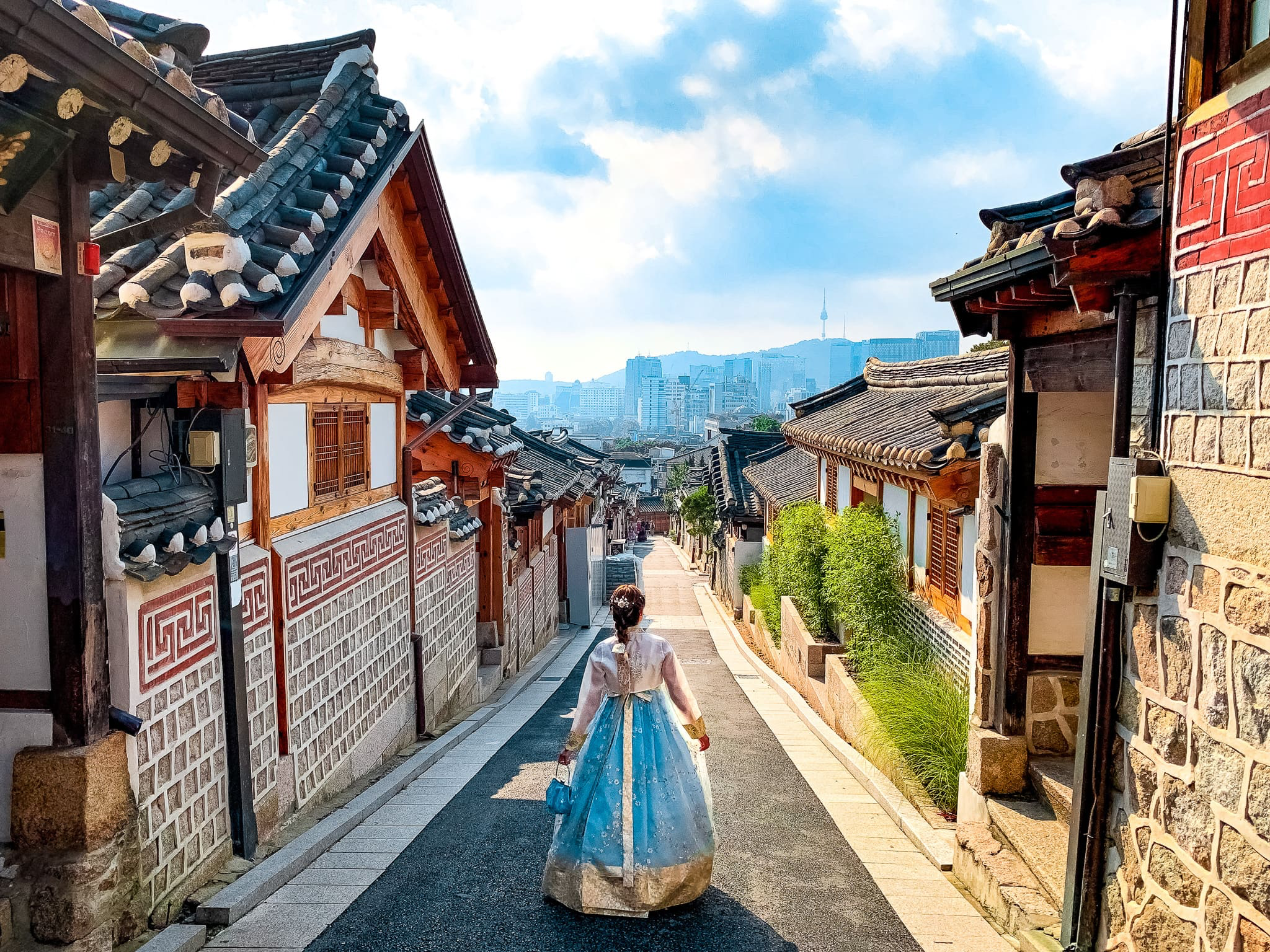
Just a 15-minute walk east of Gyeongbokgung (or 5 minutes from Anguk Station). Bukchon (“North Village”) is home to hundreds of beautifully preserved hanok (traditional Korean houses) from the Joseon era. Many now function as cafes, guesthouses, and cultural centers.
Important 2026 Visiting Rules (Overtourism Protection):
• This is a residential area — be extremely quiet and respectful.
• In “red zones” (main residential alleys like Bukchon-ro 11-gil), tourists are restricted from 5:00 PM to 10:00 AM the next day. Fines up to 100,000 KRW apply.
• Best visiting window: 10:00 AM – 5:00 PM on weekdays (far less crowded than weekends).
• Stick to designated paths, no loud talking, no entering private homes or courtyards, no drones.20
Top Experiences:
• Wander the scenic alleys (especially Bukchon-ro 11-gil and Gahoe-dong) for Instagram-worthy views of hanok rooftops with N Seoul Tower in the background.
• Visit hanok cafes and tea houses (try green tea or traditional desserts).
• Look for small museums or cultural centers (some offer free or cheap experiences like hanji paper making).52lXX“LARGE”Yxlo4“LARGE”dbEjL“LARGE”
Free entry — no ticket needed.
Suggested Itinerary (Full Day – Most Popular Route)
Morning
9:00 AM – Arrive Gwanghwamun Square → Watch 10:00 AM Guard Ceremony → Explore Gyeongbokgung Palace (2–3 hours, including museums).
Lunch
Near palace or in nearby Seochon Village / Insadong.
Afternoon
Walk to Bukchon Hanok Village (enter via Samcheong-ro or Anguk side) → Stroll alleys & cafes (1.5–2 hours).
Evening
Insadong street food & shopping OR return to Gwanghwamun Square for sunset photos.
Half-day option: Just Palace + Square (skip Bukchon if short on time).
Food Recommendations Nearby
• Tosokchon (famous ginseng chicken soup – samgyetang)
• Hwangsaengga (delicious kalguksu noodles – Michelin Bib Gourmand)
• Hanok cafes in Bukchon (matcha lattes, traditional teas)
• Insadong: Street snacks (hotteok, tteokbokki), traditional Korean restaurants
• Tongin Market (Seochon): Fun “coin lunchbox” system — cheap & authentic
Practical Tips for 2026 Visitors
• Best time: Weekdays, spring (cherry blossoms) or autumn (fall foliage). Avoid weekends and national holidays.
• Wear comfortable shoes — lots of walking on uneven stone paths.
• Download Naver Map (better than Google Maps in Korea) for real-time navigation.
• Restrooms: Available inside palace and at Bukchon Information Center.
• Weather: Bring a small umbrella — Seoul rain is common.
• Combine with: Insadong (shopping), Jogyesa Temple (colorful lanterns), or Samcheongdong cafe street.
• Accessibility: Palace has some ramps; Bukchon alleys are hilly and narrow (not wheelchair-friendly in parts)
This area perfectly captures Seoul’s unique blend of ancient royal heritage and living culture. Take your time, respect the locals in Bukchon, and you’ll leave with unforgettable memories and photos!
'여행' 카테고리의 다른 글
| Hanbok Rental Guide Near Gyeongbokgung Palace (Updated March 2026) (0) | 2026.03.10 |
|---|---|
| Gyeongbokgung Palace: Detailed History (0) | 2026.03.10 |
| Exploring the 2026 Michelin Guide Seoul: Bib Gourmand Winners (0) | 2026.03.05 |
| 首尔核心一日游:东大门 ➔ 清溪川 ➔ 明洞 超详细本地人导游指南 (0) | 2026.03.05 |
| 🌸 2026年韩国樱花花期预测 (事实数据) (0) | 2026.03.05 |


